Heavy-Duty vs. Light-Duty Towing: What’s the Difference?
If you’ve ever called a towing company and been asked “do you need light-duty or heavy-duty?” — and had no idea how to answer — you’re not alone. Most drivers don’t think about towing types until they’re standing next to a disabled vehicle. Knowing the difference helps you get the right truck dispatched faster, avoid being quoted for the wrong service, and understand why costs vary so widely.
What Is Light-Duty Towing?
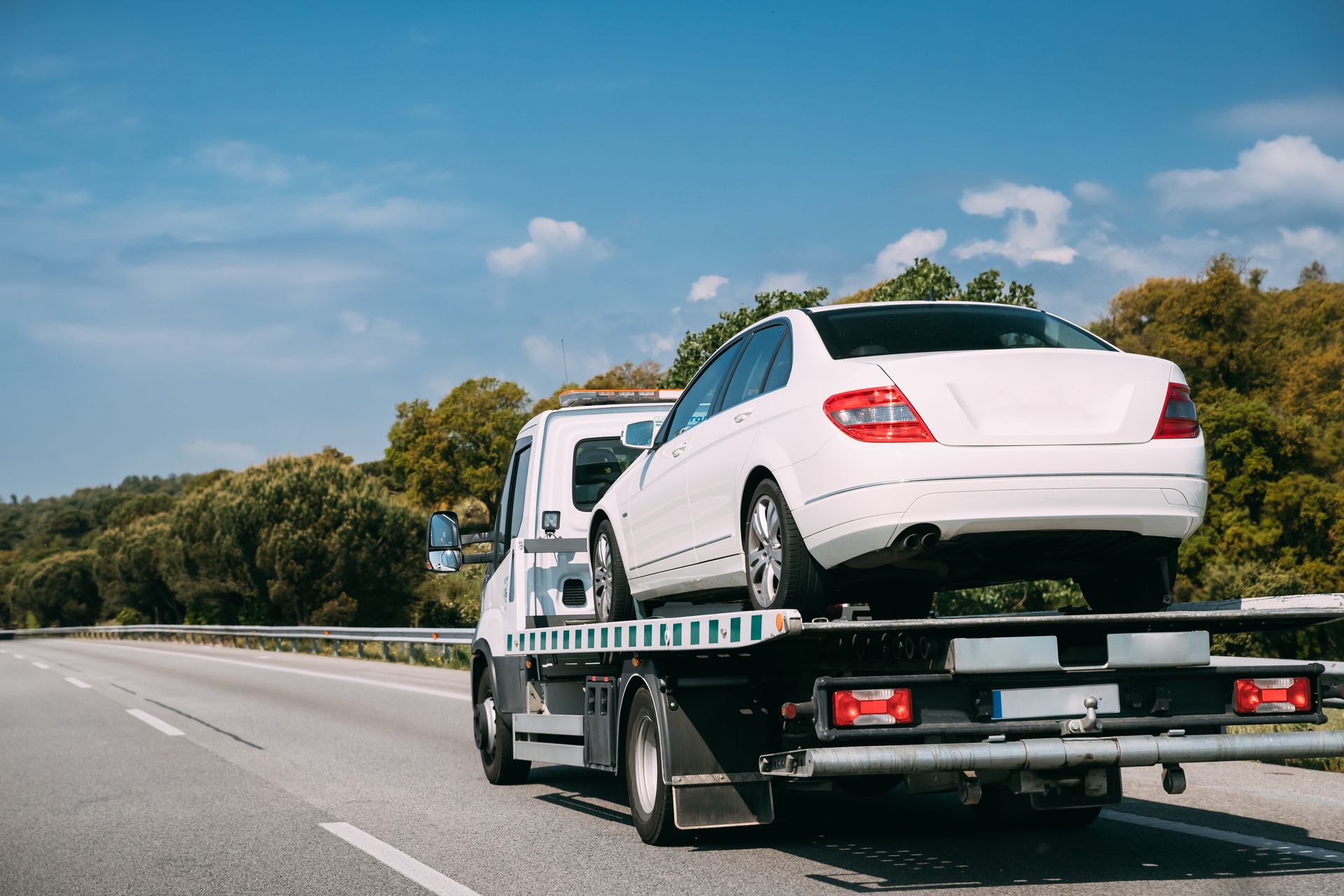
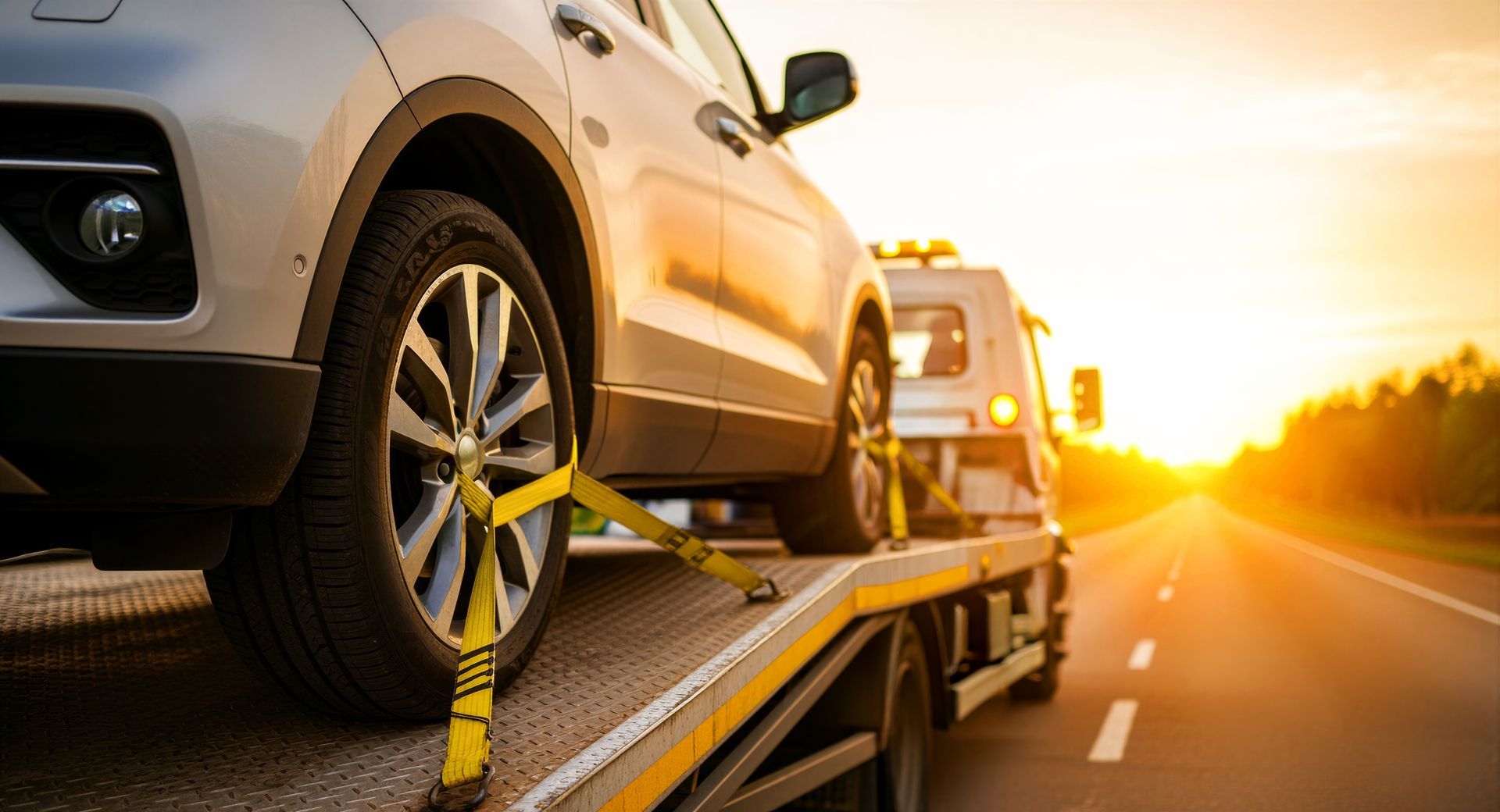
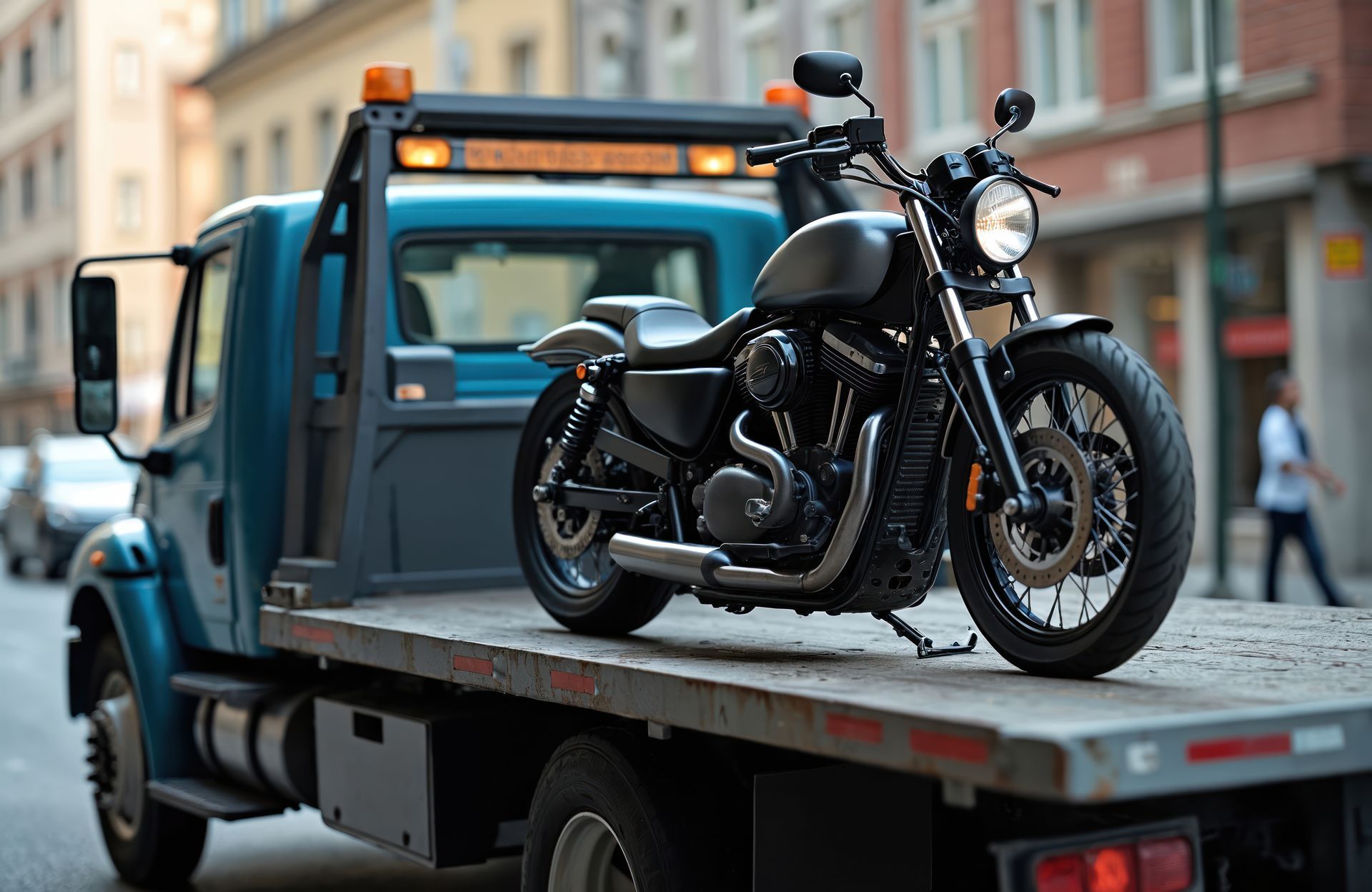
Light-duty towing covers most personal vehicles: passenger cars, SUVs, pickup trucks, vans, and motorcycles. The towing equipment used for light-duty work includes flatbed trucks (where the vehicle rides on a flat deck with all wheels off the ground) and wheel-lift trucks (where the front or rear wheels are lifted off the ground while the remaining wheels roll).
Light-duty towing is appropriate for:
- Passenger cars, coupes, sedans, and hatchbacks
- SUVs and crossovers (flatbed required for AWD and 4WD)
- Pickup trucks up to 1-ton (standard cab, regular payload)
- Vans and minivans
- Motorcycles (flatbed with soft-tie required)
- Small trailers and light equipment
If your vehicle fits in a standard parking space and weighs under roughly 10,000 lbs., light-duty towing is almost certainly what you need. See our towing and light-duty hauling in Indianapolis service.
What Is Heavy-Duty Towing?
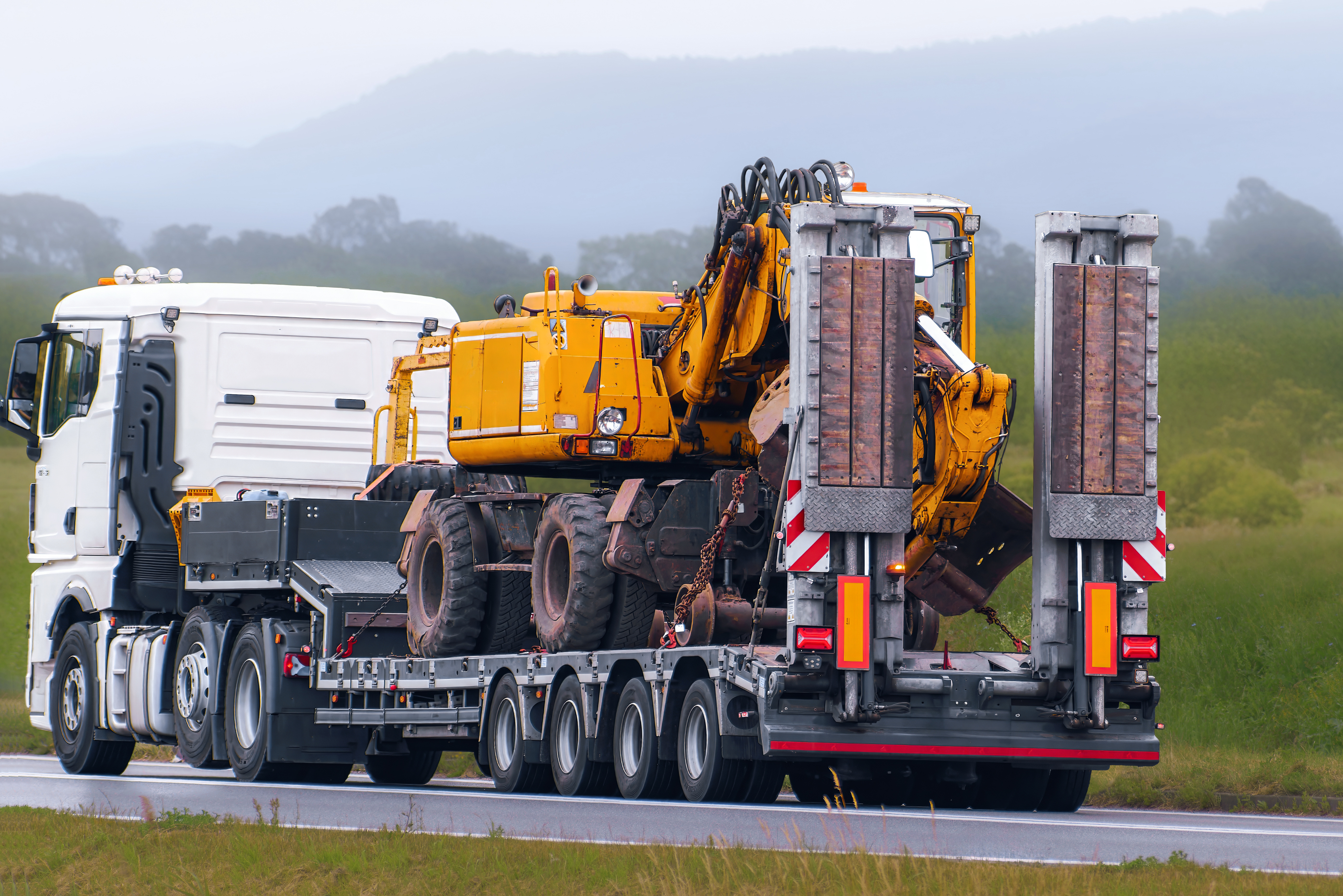
Heavy-duty towing covers large commercial vehicles, construction equipment, and any vehicle that exceeds the capacity of a standard light-duty tow truck. Heavy-duty operations require specialized rigs — including heavy rotators, underlift-extendable trucks, and recovery equipment rated for tens of thousands of pounds.
Heavy-duty towing is appropriate for:
- Semi-trucks and tractor-trailers
- Buses and coach vehicles
- RVs and large motorhomes
- Dump trucks, box trucks, and flatbed commercial trucks
- Construction equipment: excavators, skid steers, cranes
- Large trailers and industrial machinery
If your vehicle requires a commercial driver’s license to operate or weighs more than 10,000–12,000 lbs., you likely need heavy-duty towing. Learn more about our heavy-duty towing and hauling services in Indianapolis.
How to Know Which Type You Need
The simplest way to determine which type of towing you need is to describe your vehicle to the dispatcher when you call. However, here’s a quick reference:
- Personal car, SUV, pickup, van, or motorcycle → light-duty towing
- Pickup truck over 1-ton with heavy payload or commercial use → confirm with dispatcher
- Semi-truck, bus, RV over 26,000 lbs., or construction equipment → heavy-duty towing
- Not sure? → describe the vehicle make, model, and weight class to the dispatcher
A reputable towing company will ask the right questions before dispatching — and won’t send a light-duty truck to a heavy-duty scene or charge heavy-duty rates for a standard passenger vehicle tow.
Does the Type of Tow Affect the Price?
Yes — significantly. Light-duty towing in Indianapolis typically runs $75–$200 for a local tow, depending on distance and equipment. Heavy-duty towing starts at $250 and can reach $600 or more depending on vehicle weight, recovery complexity, and distance. The equipment, operator certification, and time involved in heavy-duty recovery are all substantially greater than light-duty work.
Always ask for a full quote — hookup fee plus mileage — before authorizing any tow. A reputable company provides an upfront price regardless of vehicle type. For a full breakdown, read How Much Does Towing Cost in Indianapolis? (2026 Pricing Guide).
Frequently Asked Questions: Light-Duty vs. Heavy-Duty Towing
Can a light-duty tow truck tow my full-size pickup truck?
In most cases, yes — standard full-size pickup trucks (half-ton and three-quarter-ton) fall within the capacity of light-duty tow trucks. However, one-ton trucks with heavy payloads, dually configurations, or commercial upfitting may require confirmation before dispatch. When in doubt, tell the dispatcher your truck’s make, model, and any modifications — they’ll confirm the right equipment.
What happens if the wrong tow truck is sent?
If a light-duty truck is sent to a heavy-duty scene, the driver will typically be unable to safely complete the tow and a second unit will need to be dispatched — which costs time. If a heavy-duty truck is dispatched unnecessarily, you’ll likely be charged heavy-duty rates. Describing your vehicle accurately when you call prevents both problems.
Is flatbed towing always light-duty?
No — flatbed trucks come in both light-duty and heavy-duty configurations. A standard flatbed used for passenger vehicles is a light-duty unit. Heavy-duty flatbeds are large enough to carry semi-trucks and construction equipment. The type of flatbed dispatched depends on the vehicle being transported, not the style of truck.
Do you need a special license to operate a heavy-duty tow truck?
Yes — operating a heavy-duty tow truck in Indiana typically requires a Commercial Driver’s License (CDL) due to the vehicle’s weight and length. Heavy-duty tow operators also typically carry additional certifications in vehicle recovery techniques. When hiring a towing company for a heavy-duty job, verify that their operators are properly licensed and trained for the equipment and situation.
Light-Duty and Heavy-Duty Towing in Indianapolis
JR’s Towing & Recovery provides both light-duty and heavy-duty towing throughout Indianapolis and the greater metro area, available 24/7.
- Towing and Light-Duty Hauling in Indianapolis, Indiana — Cars, trucks, SUVs, vans, and motorcycles throughout Indianapolis and Marion County.
- Heavy-Duty Towing and Hauling Services in Indianapolis, Indiana — Large trucks, buses, commercial vehicles, and heavy equipment throughout Indianapolis.
- How Much Does Towing Cost in Indianapolis? (2026 Pricing Guide) — Full breakdown of Indianapolis towing price ranges by vehicle type and distance.
Not sure which service you need? Call 317-629-5646 and describe your vehicle — our dispatcher will confirm the right equipment before we send a unit.